
Emergency savings should be kept somewhere that protects the principal, permits reasonably fast access, and separates the money from routine household spending. Its main purpose is not to produce the highest available return. The fund exists to pay necessary costs after an income interruption or an unexpected bill, such as medical treatment, urgent home repairs,…
Author: admin
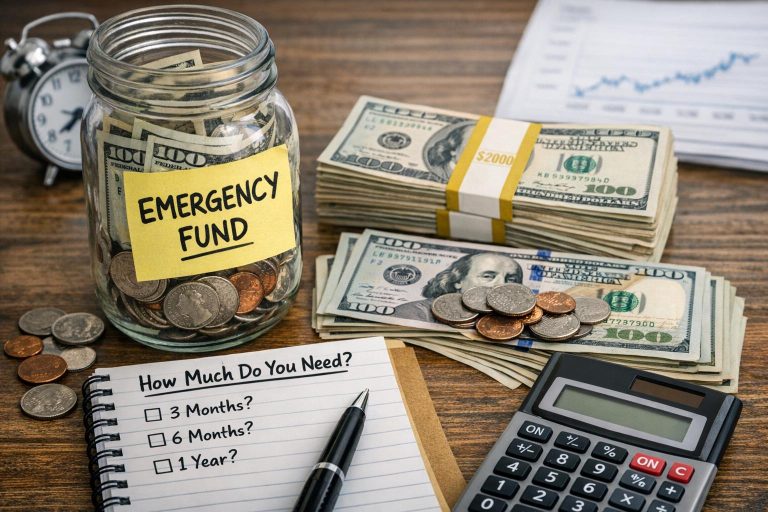
Emergency Funds: How Much Cash Do You Really Need?
An emergency fund is cash reserved for an unexpected expense or a temporary loss of income. It sits apart from money used for routine bills, planned purchases, investing, retirement, or other long-term goals. Its job is practical: cover necessary costs without forcing a household to rely on high-interest credit, miss payments, or sell investments during…

How Much of Your Income Should You Save?
How much of your income you should save depends on your goals, age, earnings, household costs, debt, and access to workplace benefits. No percentage suits every household, but saving between 10% and 20% of gross income is a useful long-term target for many earners. That range is a reference point, not a pass-or-fail test. Someone…

How to Start Saving Money on a Low Income
Saving money on a low income can be difficult because most earnings may already be committed to housing, food, transportation, utilities, debt payments, and other necessities. Yet saving does not require a large amount of spare cash. A workable plan starts with accurate figures, sensible cost reductions, and small deposits made on a regular schedule….